
 $11.00 off
04221
$38.95 NZD$49.95Unit price /UnavailableIn stock (7 units)- $20.04 off
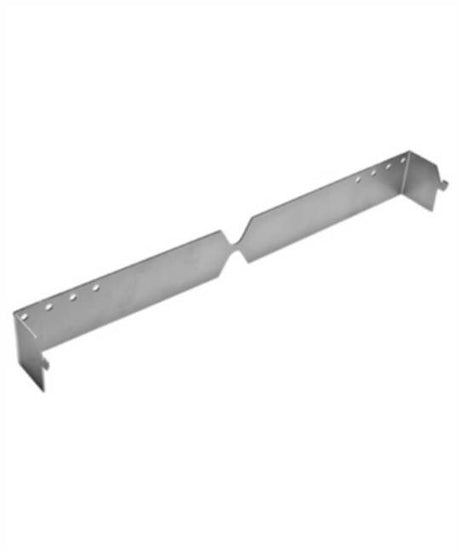
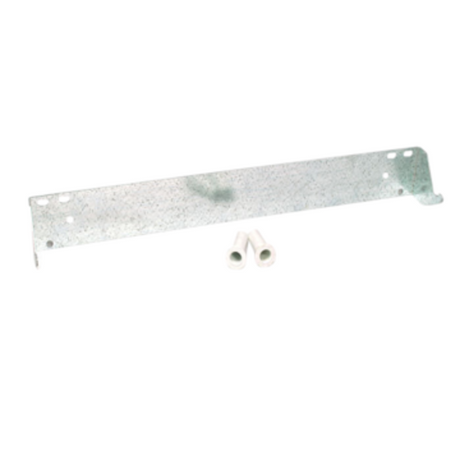
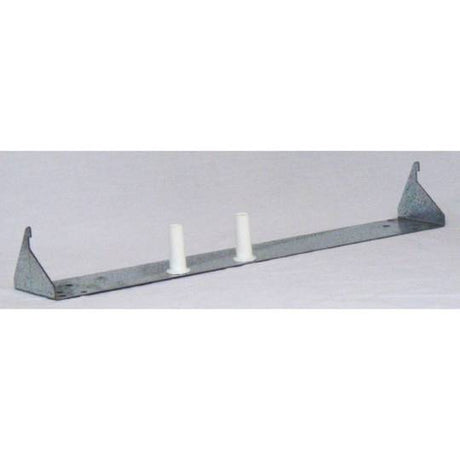
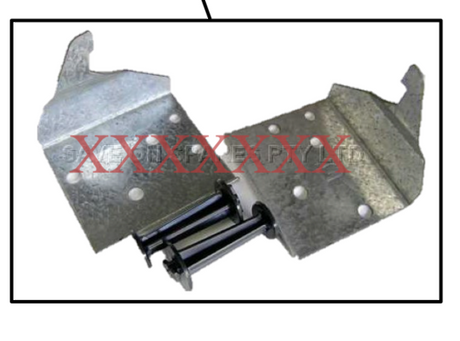
Simpson Westinghouse Electrolux Dryer Wall Mounting Kit 0030300200 0030377193
03249
$29.95 NZD$49.99Unit price /UnavailableIn stock (22 units) -
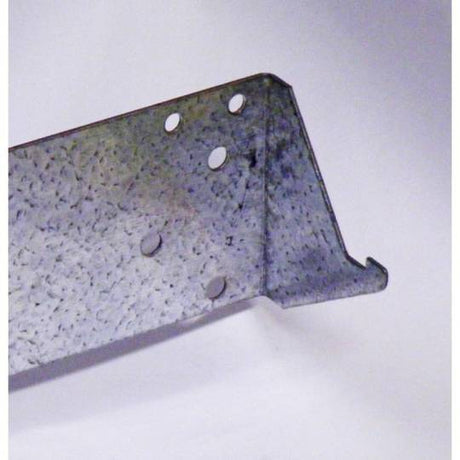
Simpson Dryer Eziset Eziloader Westinghouse Dryer Wall Braket DWB001 0030300017 DKW01
03248
$27.50 NZDUnit price /UnavailableIn stock (29 units)-

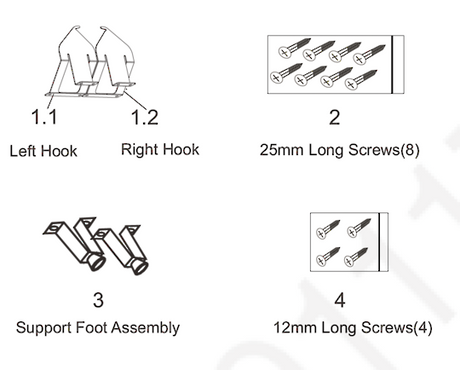
Fisher & Paykel Haier Dryer Wall Mounting Bracket Kit
03831
$49.95 NZDUnit price /UnavailableIn stock (5 units)-
Panasonic Dryer Wall Mounting Bracket NH-E70JA1WAU NH-E80JA1WAU
12788
$48.00 NZDUnit price /UnavailableLow stock (2 units)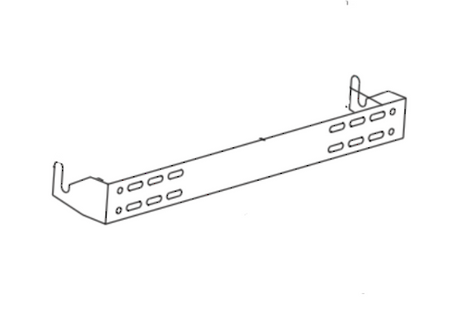
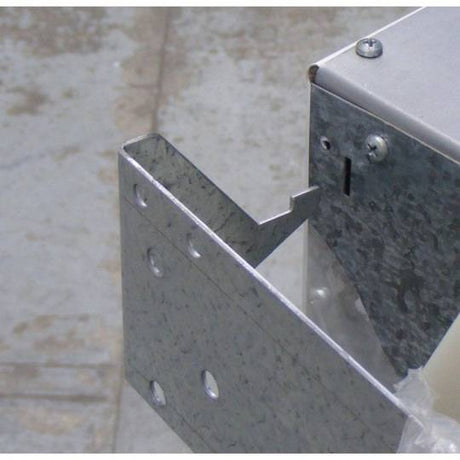


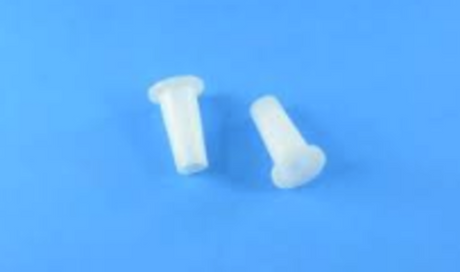
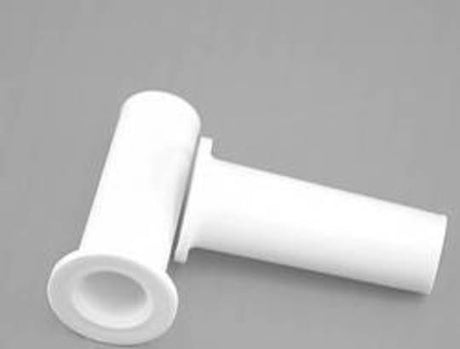
Replacement Dryer Wall Bracket NZ: Buyer's Guide
A replacement dryer wall bracket is often needed after a move, a renovation or a laundry refit, and we stock wall mounting kits, brackets and spacers for a wide range of dryer brands with delivery across New Zealand.
A wall bracket secures a wall-mounted dryer to the wall so it stays level, stable and in position while the drum spins at speed. Dryers shake and vibrate during every cycle, and a loaded drum adds a lot of weight, so the bracket and its fixings do far more work than you might expect. The right bracket matters because each manufacturer designs the mounting points on the dryer to suit its own bracket, so a bracket made for one machine will often not line up with another.
Brackets rarely wear out on their own. The usual reasons for buying a new one are that the original was lost or left behind when the dryer was moved, a bracket has been bent or cracked during removal, rust has set in within a damp laundry or garage, or the fixings have loosened from years of vibration.
How to find the right dryer wall bracket for your dryer
Start with your dryer's model number. It is printed on the rating label, which is usually found on the back or side of the machine or around the door opening, though the location varies between brands, so check your user manual if you cannot see it. Model numbers on our listings look like DE50F56, LD500B-00, NH-E70JA1WAU or RHVD45UDW. Be careful not to mistake the serial number for the model number, as only the model number is used to match parts.
If you still have the old bracket, check it for a part number or a brand marking, and compare it with the part numbers and compatible models shown in each product title and description. A photo of the old bracket, taken before you remove it, is useful if you need to ask us for help.
Common mix-ups are worth checking before you order:
- A full wall mounting kit and a bracket on its own are different products, so check the listing to see what you are getting and whether the fixings you need are part of it.
- Spacer packs are an accessory used alongside a bracket, not a bracket in themselves.
- Brackets that look alike across brands can differ in size and mounting points, so match your exact model number rather than relying on how the bracket looks.
- Some listings cover several brands that share a design, while others are specific to one model range, so always read the compatible models on the product page.
Some brackets in the range show an enquiry option instead of an add to cart button. If you see one for your model, send us your model number and our team will confirm what is available.
Common types of dryer wall bracket and signs you need a new one
| Type | What it does | Signs it needs replacing |
|---|---|---|
| Full wall mounting kit | Provides the bracket and mounting parts needed to fit the dryer to the wall (check the listing for exactly what is included) | Kit was lost or left behind, you are installing a dryer in a new location, or several parts are damaged or corroded |
| Wall bracket only | Holds the dryer in position on the wall | Bracket is bent, cracked or rusted, or the dryer no longer sits firmly or level on it |
| Spacer pack | Spacers that are used with the wall bracket, so check the product page for how they suit your model | Spacers are missing after a move, or the dryer will not sit correctly against the wall |
| Brand or model-specific bracket | Made to suit the mounting points of a particular brand or range, such as Simpson, Westinghouse, Electrolux, Fisher & Paykel, Haier or Panasonic | The original bracket is unavailable, damaged or does not match the dryer's mounting points |
Before you buy, confirm that the bracket really is the problem. If the dryer wobbles or knocks against the wall during a cycle, check that the fixings are tight and that the wall surface itself is solid. Look for cracks, bent metal or rust on the bracket, and check that the dryer is correctly seated on it. If the bracket is sound and the vibration continues, the issue may be the dryer's feet, its load balance or another part, and it is worth checking those before ordering.
Common causes of failure and how to avoid them
Constant vibration is the main enemy of any wall mounting. Over time it can loosen fixings, widen holes in the wall and fatigue thin metal. Damp conditions speed this up by encouraging rust, particularly in garages and laundries with poor ventilation. Moving house is the other common cause, as brackets are easily bent, lost or separated from their spacers and fixings when a dryer is taken down.
To get the most from a replacement bracket:
- Avoid overloading the dryer, as heavy, unbalanced loads put extra strain on the mounting on every cycle.
- Keep the laundry ventilated and dry so the bracket and fixings are less likely to corrode.
- Check that the fixings are still tight every so often, because vibration can loosen them gradually without any obvious sign.
- Keep the old bracket's fixings, spacers and paperwork together if you move the dryer, so nothing goes missing.
Fitting tips
- Unplug the dryer and disconnect any venting before lifting it, because you do not want to strain the cord or duct as you move the machine.
- Have a second person help you lift the dryer onto the bracket, as the machine is heavy and awkward to handle alone.
- Check what is inside the wall before drilling, using a stud or pipe and cable detector if you can, so you do not hit wiring or plumbing.
- Use fixings that suit your wall construction, because a fixing that holds well in timber may not hold in masonry or plasterboard.
- Follow the instructions supplied with the bracket for positioning, and use a spirit level so the dryer sits straight and does not vibrate against the wall.
- Leave enough room for the door to swing open and for any venting to run freely, so airflow is not restricted.
- Give the dryer a gentle tug once it is on the bracket to confirm it is secure, and if you are unsure about the wall or the installation, ask a qualified installer to do it.
Related parts
If you are refitting or servicing your dryer at the same time, these collections may help:
- Dryer parts for the full range of dryer spares if you are not sure which part you need.
- Dryer filters if the lint filter is damaged or missing after a move, as a blocked or missing filter affects drying performance.
- Dryer belts if the drum is noisy, slow to turn or no longer turning.
- Dryer door seals if warm air or lint is escaping around the door.
- Dryer doors if the door is cracked or no longer closes properly.
Frequently asked questions
How do I know which wall bracket fits my dryer?
How do I know which wall bracket fits my dryer?
Start with the model number on your dryer's rating label, which is usually on the back or side of the machine or around the door opening. Then compare it with the compatible models listed in each product title and description. If you still have the old bracket, check it for a part number as well, since this is the most reliable way to match the replacement.
What is the difference between a wall mounting kit, a bracket and a spacer pack?
What is the difference between a wall mounting kit, a bracket and a spacer pack?
A wall mounting kit is sold as a set intended for mounting the dryer, a bracket is the holding piece on its own, and a spacer pack is an accessory that is used alongside a bracket. Contents can differ between listings, so read each product description to see exactly what is included. If you are unsure which one you need, send us your model number and we can point you to the right product.
Can I fit a dryer wall bracket myself?
Can I fit a dryer wall bracket myself?
Many people do, as long as they have help lifting the dryer and use fixings that suit their wall construction. Check for hidden pipes and cables before you drill, and follow the instructions supplied with the bracket. If you are unsure about your wall or how the dryer should be mounted, it is safest to have a qualified installer do it.
How do I know if my dryer bracket needs replacing?
How do I know if my dryer bracket needs replacing?
Look for bent or cracked metal, rust, and fixings that have loosened or pulled out of the wall. If the dryer wobbles, knocks against the wall or no longer sits firmly on the bracket during a cycle, the mounting may no longer be doing its job. Tighten the fixings first, and replace the bracket if it is damaged or the problem continues.
What if my dryer model is not listed or the bracket shows Enquire Now?
What if my dryer model is not listed or the bracket shows Enquire Now?
Some brackets are listed for enquiry rather than direct purchase, and not every dryer model appears in the product titles. Send us your model number and a photo of your old bracket or the back of the dryer, and our team will check what suits your machine. Please do not guess between similar-looking brackets, as a poor fit can leave the dryer unstable on the wall.